Table of Contents
ToggleHow to Build a Profitable Stationery Collection in 2027
Meta Description: Discover how to build a profitable stationery collection in 2027 with the right products, customization, and manufacturing strategy.
The stationery market is changing. Buyers are no longer looking for a single notebook or folder—they want coordinated products that are practical, attractive, customizable, and suitable for different customer needs.
For retailers, distributors, corporate buyers, and emerging brands, building the right product collection can be more important than simply adding more SKUs.
In 2027, a successful stationery collection should balance function, design, personalization, and production flexibility.
1. Start With Core Products
A strong stationery collection should begin with products that have broad applications.
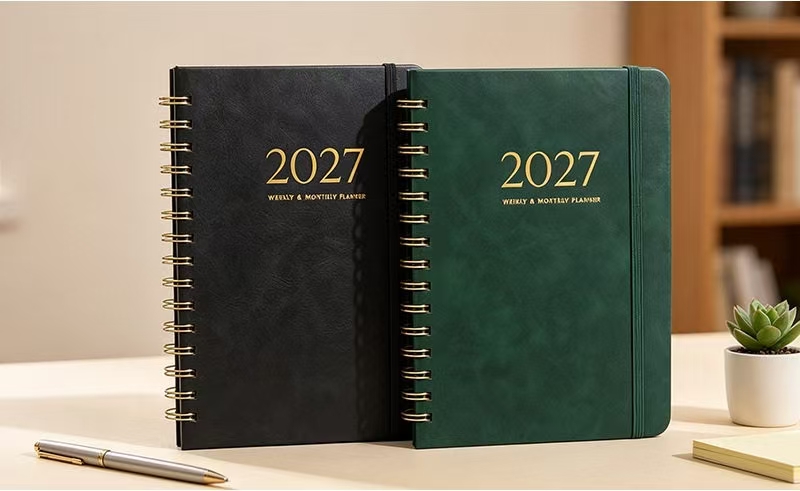
Writing Journals are a good foundation because they can be used for work, study, planning, travel, and personal organization. Different cover materials, paper types, sizes, and binding options allow brands to create multiple product levels without completely changing the manufacturing process.
Other practical products can then be added around the journal to create a complete collection.
For example, a brand could combine journals with folders, pouches, planners, and accessories to create a consistent stationery range.
2. Add Products With Everyday Functions
Modern consumers often prefer products that solve more than one problem.
A Document File Folder can be used for office documents, school materials, presentations, or travel organization. Meanwhile, a Stationery Pouches collection can provide convenient storage for pens, cards, small accessories, and personal items.
These products also work well as complementary items because customers may purchase them together with notebooks or planners.
For B2B buyers, this creates opportunities to build product bundles instead of selling individual items.
3. Use Personalization to Increase Product Value
Personalization remains an important strategy for stationery brands.
Simple details such as logos, colors, patterns, names, packaging, materials, and accessories can make a standard product feel more distinctive.
Stickers are especially flexible. They can be used as standalone products, promotional accessories, packaging elements, or additions to journal and planner collections.
For brands targeting younger consumers, creative sticker designs can also help create a stronger visual identity across multiple stationery products.
4. Create Different Price Levels
A profitable collection should not depend on one price point.
Consider creating three levels:
- Entry-level: simple paper products and accessories
- Mid-range: upgraded notebooks, organizers, and customized products
- Premium: high-quality materials, special packaging, and detailed customization
This structure allows retailers to serve different customer groups while keeping the brand identity consistent.
It also gives B2B buyers more flexibility when building wholesale collections for different sales channels.
5. Choose the Right Manufacturing Partner
Product ideas are only one part of building a successful stationery collection. Manufacturing capabilities are equally important.
An experienced OEM Stationery Production partner can help brands develop different products while maintaining consistent quality, materials, colors, and packaging.
When evaluating a supplier, buyers should consider:
- Product development capabilities
- Material options
- Customization services
- Quality control
- Production capacity
- Packaging solutions
- MOQ flexibility
- Export experience
A reliable manufacturing partner can make it easier to expand a collection as demand grows.
Why Work With Wonderpool?
At Wonderpool, we understand that B2B stationery buyers need more than individual products. They need a flexible manufacturing partner that can support complete product collections.
From product development and material selection to customization and production, Wonderpool helps brands create stationery products that match their target market and brand positioning.
Whether you are launching a new stationery brand, expanding an existing product line, or developing customized products for retail and corporate customers, the right manufacturing strategy can help you build a stronger collection.
Final Thoughts
Building a profitable stationery collection in 2027 is not about having the largest number of products. It is about choosing the right combination of practical products, attractive designs, customization options, and reliable manufacturing.
Start with a few strong core products, create complementary items, offer different price levels, and work with an experienced manufacturing partner.
With the right product strategy, stationery can become more than a single product—it can become a complete and scalable brand collection.