The modern planner is a sophisticated tool for time management and goal setting, moving far beyond a simple calendar. The layout of a planner is the most critical factor in determining its effectiveness for an individual’s specific workflow. Selecting the right format—from structured daily views to flexible dot grids—is key to maximizing productivity and achieving organizational goals.
By Time Horizon: Daily, Weekly, and Monthly
Layout Type | Primary Focus | Best Suited For | Key Advantage |
Daily View | Minute-by-minute scheduling and task breakdown. | Professionals with dense, time-sensitive appointments and detailed task lists. | Provides maximum space for granular detail and time blocking. |
Weekly View | Overview of the week’s commitments and balanced task distribution. | Students, project managers, and those needing a balance between detail and overview. | Excellent for seeing the week at a glance and managing work-life balance. |
Monthly View | Long-term planning, deadlines, and goal tracking. | Strategic planners, travelers, and those managing large, infrequent projects. | Ideal for visualizing the big picture and tracking recurring events. |
By Structure: Lined, Grid, and Dot Grid
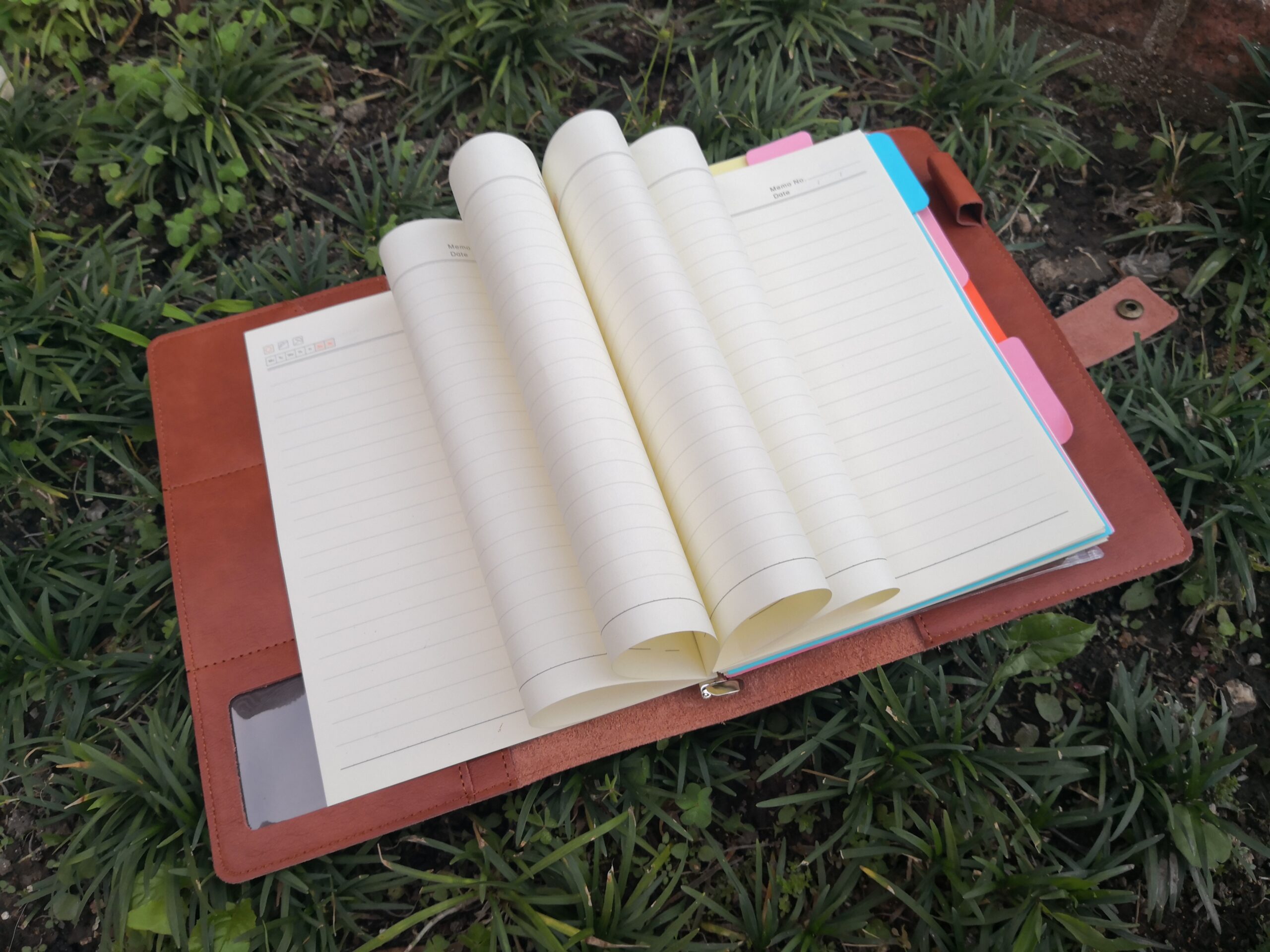
The underlying structure of the paper also dictates its utility. Lined paper is the standard for text-heavy entries, promoting neatness and readability. Grid paper (or graph paper) is highly valued in technical fields, offering precise alignment for charts, diagrams, and mathematical calculations.
The Dot Grid layout, however, has emerged as a favorite among creative and flexible planners. It provides the structure of a grid without the visual dominance of solid lines, making it ideal for:
- Bullet Journaling:Allows for rapid logging and customizable layouts.
- Design and Sketching:Offers subtle guidance for drawing and typography without interfering with the final result.
- Hybrid Planning:Facilitates the seamless integration of text, lists, and visual elements on the same page.
Tailoring the Choice to Purpose
The ultimate choice of a planner layout should be a reflection of the user’s primary goal. A detailed project manager will benefit most from a daily or weekly layout with ample space for task delegation. Conversely, a creative professional or a minimalist will often find the flexibility and open structure of a dot grid notebook or planner to be more conducive to their workflow, allowing the tool to adapt to their evolving needs rather than imposing a rigid structure.